Maximizing Your Generator's Performance with Accurate Diesel Fuel Monitoring
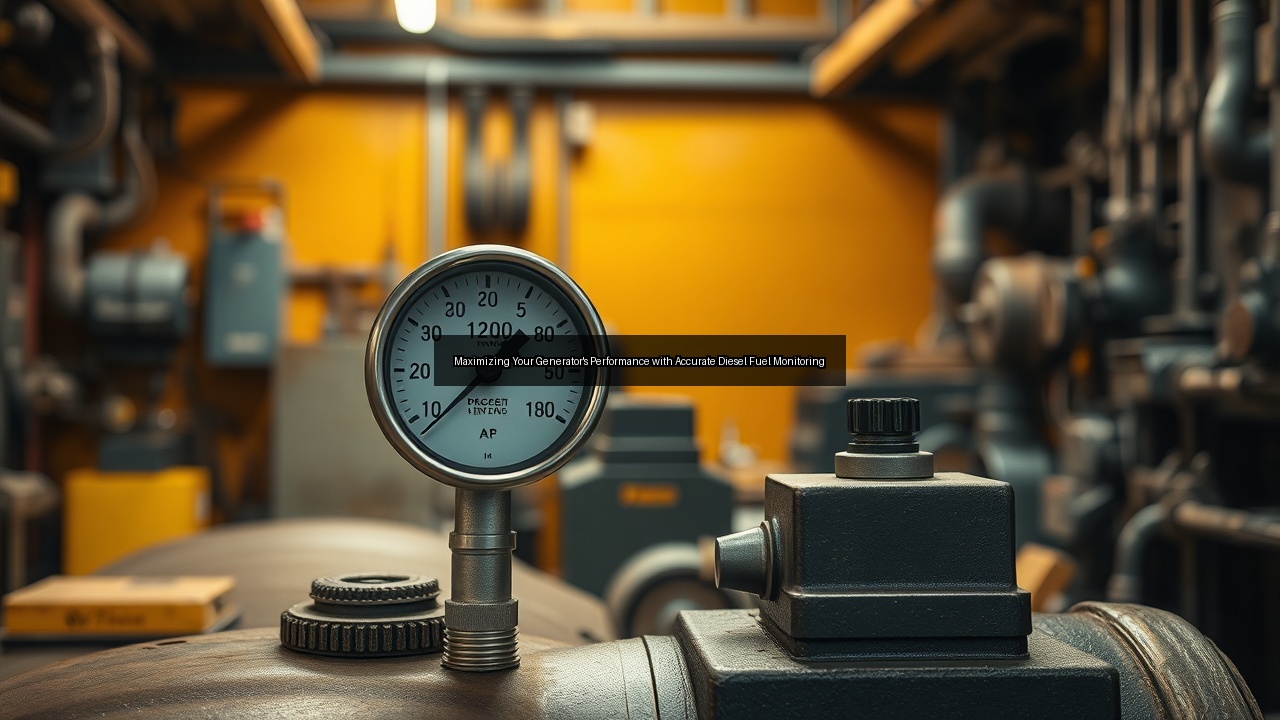
Understanding Diesel Fuel Monitoring
The Importance of Accurate Diesel Fuel Measurement
Accurate diesel fuel measurement drives reliable generator operation across farms and industrial sites in the United States. Operators who install a diesel fuel tank gauge gain precise visibility into remaining fuel volumes and avoid unexpected shutdowns that damage diesel engines. Proper tracking of diesel fuel prevents costly downtime and supports consistent power delivery during peak demands. Many facilities track diesel alongside gas supplies to coordinate refills and control expenses. A well-calibrated diesel fuel tank gauge converts raw tank data into actionable insights that extend equipment life and reduce waste. When fuel levels drop below safe thresholds, crews receive immediate alerts before the generator starves. This proactive approach also helps managers forecast diesel fuel purchases and maintain steady inventory. Accurate measurement further supports compliance records that auditors review during inspections. Facilities that prioritize precise diesel fuel data report fewer engine failures and smoother daily workflows.
How Diesel Fuel Gauges Work
Diesel fuel gauges operate by sending continuous signals from sensors mounted inside the tank to external displays or control systems. The diesel fuel tank gauge measures liquid height through float mechanisms, ultrasonic waves, or pressure transducers that convert depth into volume readings. Users view these readings on digital panels or mobile apps that update in real time. Diesel fuel gauges distinguish between diesel and other fluids to prevent mixing errors common on multi-fuel sites. The system records fluctuations caused by temperature changes or consumption rates, giving operators clear trends over hours or days. Engine load directly affects how quickly the gauge shows fuel drop, so monitoring tools factor in runtime data. Technicians connect gauges to alarm boxes that trigger when levels reach preset limits. This setup integrates with generator controls to optimize fuel use and maintain steady output. Reliable diesel fuel gauges also log historical data for later review during maintenance planning.
Key Components of a Diesel Fuel Tank Gauge
A complete diesel fuel tank gauge system includes the sensor probe, transmitter, display unit, and mounting hardware. The probe sits inside the tank and contacts diesel fuel directly to capture accurate level data. Transmitters convert sensor signals into digital formats that travel to remote monitors or central control boxes. Displays present current volume, consumption rates, and alerts in easy-to-read formats. Many kits add wiring harnesses and power supplies that withstand harsh outdoor conditions on farms or job sites. Additional components such as vent caps and seal kits prevent leaks and contamination. Advanced models incorporate temperature sensors that adjust readings for fuel expansion. Operators often pair these parts with software that exports data for compliance reports. Choosing compatible components ensures the diesel fuel tank gauge functions reliably with existing generator setups and fuel oil storage systems.
Choosing the Right Diesel Fuel Tank Gauge
Types of Diesel Fuel Gauges Available
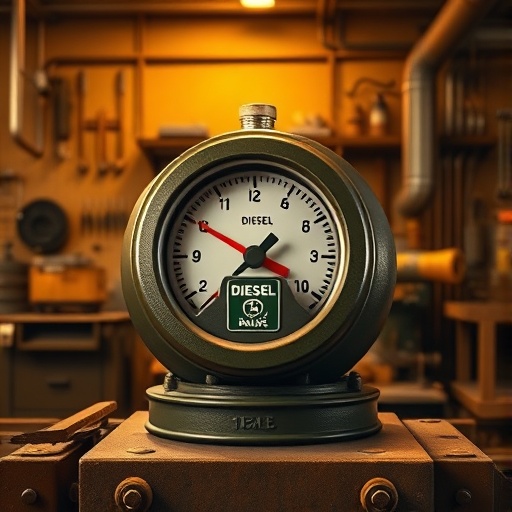
Mechanical, electronic, and hybrid diesel fuel gauges cover different operational needs. Mechanical versions use floats and linkages visible through sight glasses on smaller tanks. Electronic diesel fuel tank gauges rely on probes and digital readouts for larger installations that require remote monitoring. Ultrasonic models measure fuel surfaces without contact and resist corrosion from diesel fuel or additives. Some gauges combine float sensors with electronic transmitters to balance cost and accuracy. Wireless diesel fuel gauges transmit data to tablets or cloud platforms, which suits distributed tank networks on large properties. Capacitance-based options detect subtle changes in diesel fuel properties and alert crews to water intrusion. Each type integrates with generator engines differently, so users match gauge output to existing control systems. Selecting the correct diesel fuel gauge style improves daily fuel tracking and reduces manual checks.
Factors to Consider When Selecting a Gauge
Tank size, fuel type, and environmental conditions guide diesel fuel tank gauge selection. Operators first measure tank dimensions to ensure the sensor reaches full depth and provides accurate volume calculations. Diesel fuel compatibility matters because certain materials degrade when exposed to additives or biodiesel blends. Temperature swings on outdoor tanks affect gauge accuracy, so models with thermal compensation perform better in variable climates. Power availability influences whether wired or battery-powered units suit the site. Integration with generator data systems allows automatic shutdowns when fuel runs low. Budget considerations include both initial purchase and ongoing calibration needs. Users also evaluate warranty coverage and local service support for quick repairs. Reviewing these factors helps teams install a diesel fuel tank gauge that delivers dependable performance without frequent adjustments.
Top Brands and Tools for Diesel Fuel Monitoring
Leading manufacturers offer diesel fuel tank gauges paired with monitoring tools that streamline operations. Brands such as Veeder-Root and Franklin Fueling provide robust probes and transmitters trusted across the United States. These systems often include software dashboards that aggregate data from multiple tanks. Portable test kits let technicians verify gauge accuracy on-site before full installation. Integration tools connect diesel fuel gauges to generator control panels for unified alerts. Some suppliers bundle calibration equipment with each unit to support routine maintenance schedules. Farm operators frequently choose weatherproof enclosures that protect electronics from dust and moisture. Reviewing user manuals and compatibility charts helps match tools to specific diesel engine requirements. Reliable brands back their diesel fuel tank gauge products with technical support that resolves issues quickly.
Maintaining Your Fuel Monitoring System
Routine Calibration for Optimal Performance
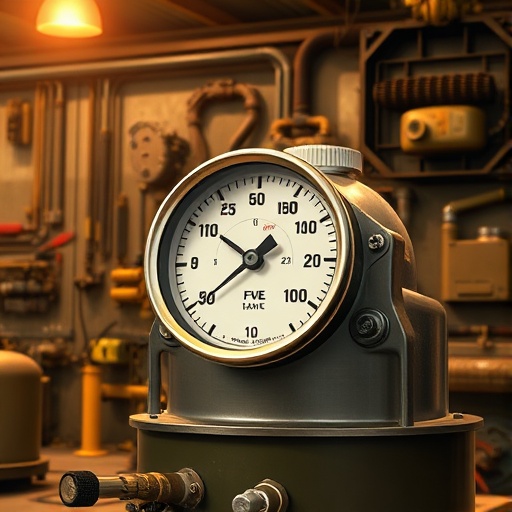
Regular calibration keeps diesel fuel tank gauges accurate and prevents drift that leads to incorrect readings. Technicians compare gauge output against known volumes using certified test measures during scheduled service visits. Calibration intervals depend on tank usage and environmental exposure, with many sites performing checks quarterly. Diesel fuel temperature changes require adjustments to maintain precise data. Operators document each calibration session to support compliance files and track long-term gauge reliability. Proper calibration also verifies that alarm functions trigger at correct thresholds, protecting generators from fuel starvation. Teams use manufacturer-recommended procedures to avoid voiding warranties. Consistent calibration routines extend the service life of diesel fuel gauges and reduce unexpected maintenance calls. Accurate data from calibrated systems supports better fuel purchasing decisions and engine performance tracking.
Common Maintenance Practices for Diesel Tanks
Effective maintenance for diesel tanks includes periodic cleaning, seal inspections, and sensor checks. Crews remove sediment and water that accumulate at tank bottoms and interfere with diesel fuel tank gauge readings. They inspect wiring and connections for corrosion caused by fuel vapors or weather exposure. Replacing worn gaskets prevents leaks that contaminate surrounding soil. Operators also verify vent lines remain clear to avoid pressure buildup that skews measurements. Scheduling these tasks alongside generator service minimizes downtime. Maintenance logs record every action performed on tanks and gauges to demonstrate compliance with regulatory standards. Proper upkeep protects both the diesel fuel supply and the engine that depends on consistent delivery. Facilities that follow structured maintenance plans experience fewer gauge failures and smoother operations overall.
Compliance with EPA Regulations
EPA regulations require accurate monitoring of diesel fuel storage to prevent spills and environmental contamination. Facilities must maintain records that demonstrate proper tank integrity and gauge function. A compliant diesel fuel tank gauge system provides the data needed during inspections and audits. Operators document calibration dates, maintenance activities, and any corrective actions taken. Failure to meet these standards can result in fines or operational restrictions across the United States. Many sites incorporate secondary containment and leak detection alongside fuel gauges to satisfy requirements. Regular compliance reviews ensure that diesel fuel handling practices align with current rules. Using approved monitoring tools simplifies reporting and reduces administrative burden. Strong compliance programs protect both the environment and the business reputation of facilities that store and use diesel fuel.
Maximizing Generator Performance with Diesel Fuel Monitoring
Impact of Fuel Quality on Generator Efficiency
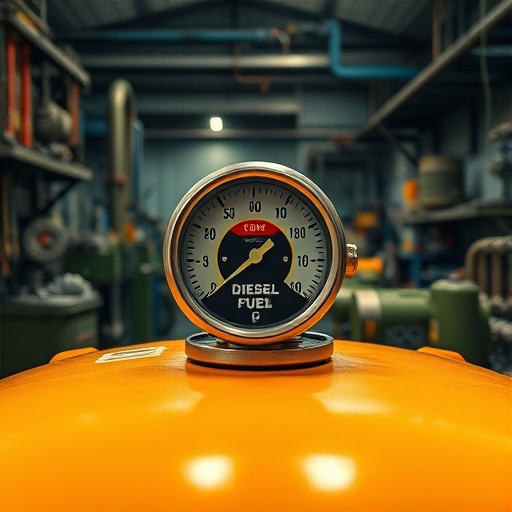
Fuel quality directly influences generator efficiency and longevity. Contaminated diesel fuel causes injector fouling and reduced power output in diesel engines. A diesel fuel tank gauge helps operators detect unusual consumption patterns that may indicate fuel degradation or water intrusion. Regular testing combined with accurate level monitoring prevents engines from running on poor-quality supplies. Facilities that filter incoming diesel fuel and track storage conditions maintain higher efficiency rates. Monitoring tools also flag when tanks need turnover to avoid stale fuel oil buildup. Consistent attention to quality supports peak generator performance during critical operations. Operators who pair diesel fuel tank gauges with quality checks report fewer breakdowns and lower repair costs. This approach keeps engines running cleanly and extends service intervals across demanding applications.
Monitoring Diesel Exhaust Fluid Levels
Diesel exhaust fluid levels require separate but coordinated monitoring alongside diesel fuel. Many modern generators use selective catalytic reduction systems that consume diesel exhaust fluid to control emissions. A dedicated sensor or integrated monitor tracks fluid volumes and alerts crews before depletion occurs. Low diesel exhaust fluid triggers derates that reduce generator output and disrupt operations. Operators often install parallel gauges for both diesel fuel and diesel exhaust fluid to streamline daily inspections. Data from these systems feeds into maintenance schedules that prevent compliance issues. Proper diesel exhaust fluid management complements accurate diesel fuel tank gauge readings and supports overall engine health. Facilities that monitor both fluids together achieve better uptime and meet emission standards without interruption.
Data Analysis for Predictive Maintenance
Data analysis turns raw readings from diesel fuel tank gauges into predictive maintenance strategies. Historical consumption patterns reveal engine efficiency trends and highlight potential issues before failures happen. Software platforms aggregate data from multiple tanks and generators to identify anomalies such as sudden spikes in usage. Technicians review these insights to schedule targeted maintenance rather than relying on fixed intervals. Predictive models factor in load profiles, temperature, and runtime to forecast component wear. This approach reduces unplanned downtime and optimizes spare parts inventory. Facilities that leverage diesel fuel monitoring data report measurable improvements in generator reliability. Continuous analysis also supports budgeting decisions by projecting future fuel and maintenance needs accurately. Integrating data tools with existing diesel fuel tank gauge systems creates a proactive management framework that maximizes equipment performance.