The Synergy Between Aerospace Machining Services and Advanced Materials
Understanding Aerospace Machining Services
Role of Machinists in Aerospace Manufacturing
Machinists play a critical role in aerospace manufacturing, transforming raw materials into high-precision components that meet stringent safety and performance standards. Their expertise is vital in shaping metals like aluminum, titanium, and steel into parts that endure the extreme conditions of flight. Skilled machinists utilize advanced techniques and tools to ensure that every aspect of a component adheres to the tightly controlled specifications required by the aerospace industry. This includes everything from milling and turning to grinding and finishing processes. Their ability to work with various materials and techniques directly impacts the reliability and efficiency of aircraft and spacecraft.
Key Technologies in CNC Aerospace Machining
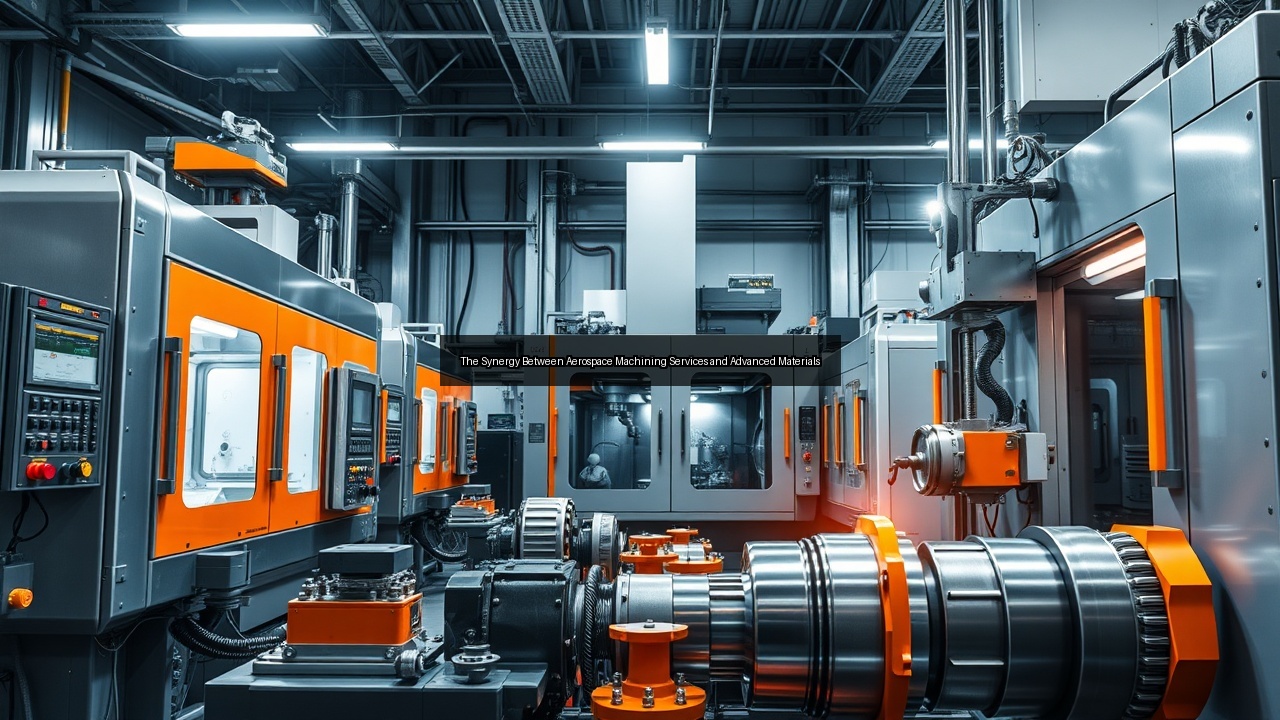
Computer Numerical Control (CNC) technology revolutionized aerospace machining services by enhancing precision and efficiency. CNC machines automate the machining process, allowing for the production of complex components with minimal human intervention. This technology uses computer-aided design (CAD) to create detailed blueprints, which CNC machines then follow to achieve exact specifications. The integration of CAD and CNC significantly reduces human error and enhances the repeatability of manufactured parts. From turbine blades to military aircraft components, CNC machining ensures that every piece meets rigorous standards for performance and safety, making it indispensable in modern aerospace manufacturing.
Importance of Precision and Accuracy in Aerospace Components
Precision and accuracy are non-negotiable in aerospace components. Even the slightest deviation can lead to catastrophic failures, making it essential for machinists to deliver parts that meet exact specifications. Aerospace machining services focus on achieving tolerances of thousandths of an inch, ensuring that components fit together seamlessly. This level of precision is crucial not only for the safety of the aircraft but also for optimizing performance. Components such as engine parts, turbine blades, and structural elements must withstand extreme conditions, including high pressure and temperatures, further emphasizing the need for meticulous machining practices. Without precision and accuracy, the integrity of the entire aerospace system is at stake.
Advanced Materials in Aerospace Manufacturing
Overview of Common Aerospace Materials: Aluminum, Titanium, and Steel
Aluminum, titanium, and steel remain the backbone of aerospace manufacturing due to their unique properties. Aluminum, known for its lightweight and corrosion resistance, plays a significant role in constructing aircraft bodies and wings. Its excellent strength-to-weight ratio makes it a favorite among manufacturers looking to enhance fuel efficiency. Titanium, on the other hand, offers superior strength and resistance to extreme temperatures, making it ideal for critical components like engine parts and airframe structures. Steel, particularly stainless steel, is commonly used for parts that require additional strength and durability. The choice of material directly influences the performance, reliability, and lifespan of aircraft and spacecraft components.
The Use of Cobalt and Tool Steel in High-Performance Applications
Cobalt and tool steel are increasingly recognized in aerospace machining services, especially for high-performance applications. Cobalt alloys offer exceptional hardness and wear resistance, making them ideal for high-stress components such as turbine blades and cutting tools. Tool steel, characterized by its ability to withstand high temperatures and retain sharp edges, is essential for manufacturing precision tools used in machining processes. These materials can endure extreme conditions and high cycles of operation, making them invaluable in the aerospace sector. Their integration into aerospace manufacturing not only improves performance but also extends the lifespan of critical components.
Innovative Materials for Space Architecture and UAVs
The aerospace industry constantly seeks innovative materials to enhance performance and reduce weight, especially in space architecture and Unmanned Aerial Vehicles (UAVs). Advanced composites, including carbon fiber reinforced polymers, provide exceptional strength without the added weight of traditional metals. These materials are crucial for spacecraft structures that must endure harsh environments while maintaining structural integrity. Additionally, new alloys and metal aerospace component machining matrix composites are being developed to offer superior corrosion resistance and thermal stability for UAVs and other advanced aerospace applications. The ongoing research into these materials propels the aerospace industry towards a future where lightweight, high-performance components become the norm.
The Integration of Industrial Automation in Aerospace Machining
Benefits of Automation in Machining Processes
Industrial automation significantly enhances machining processes in aerospace manufacturing. By integrating automated systems, manufacturers can achieve higher production rates while maintaining quality. Automation reduces the likelihood of human error, ensuring that components are produced with the highest levels of precision. This efficiency not only cuts production costs but also allows for quicker aerospace parts machining turnaround times, crucial in a competitive market. Additionally, automated systems can operate around the clock, maximizing output and minimizing downtime. The benefits of automation extend beyond productivity; they also improve workplace safety by reducing the need for manual handling of heavy materials and machinery.
Enhancing Reliability and Efficiency through CNC Technology
CNC technology plays a central role in enhancing reliability and efficiency in aerospace machining services. These advanced systems utilize software algorithms to control machining operations, allowing manufacturers to produce complex geometries with minimal manual intervention. The precision offered by CNC machines ensures consistent quality across batches, which is essential for components that require strict adherence to specifications. Moreover, CNC technology enables rapid prototyping and iterative design processes, allowing engineers to test and refine components swiftly. The result is a streamlined manufacturing process that ensures high-quality output and significantly reduces the risk of defects.
Future Trends in Aerospace Machining Automation
The future of aerospace machining automation looks promising, with advancements in artificial intelligence and machine learning poised to transform the industry. These technologies can analyze vast amounts of data from production processes to identify inefficiencies and suggest improvements. Predictive maintenance powered by AI helps prevent equipment failures, ensuring that machining operations remain uninterrupted. Additionally, the integration of robotics into machining services will further enhance precision and speed, allowing for more complex and intricate designs. As the aerospace industry continues to evolve, embracing these trends will be vital for maintaining competitiveness and driving innovation.
Applications and Future of Aerospace Machining Services
Machining Components for Military Aircraft and Missiles
Aerospace machining services play a crucial role in producing components for military aircraft and missiles. The demands of military applications require parts that are not only precise but also robust enough to withstand extreme operational conditions. Machinists must work with materials like titanium and high-strength steel to create components that offer superior performance and reliability. The ability to produce custom aerospace machining solutions tailored to specific military requirements enhances the effectiveness of military hardware. As technology advances, the integration of new materials and machining techniques will further enhance the capabilities of military aircraft and missile systems.
The Role of Aerospace Machining in Engine and Turbine Blade Production
Engine and turbine blade production represents one of the most critical applications of aerospace machining services. These components operate under high temperatures and pressures, requiring intricate designs and exceptional material properties. Machinists utilize advanced CNC machining techniques to create turbine blades with complex geometries that optimize airflow and efficiency. The precision of these machined components directly impacts engine performance, fuel efficiency, and overall reliability. As the aerospace industry pushes towards more efficient and powerful engines, advancements in machining technologies and materials will continue to shape the future of engine and turbine blade production.
Custom Aerospace Machining Solutions for Emerging Technologies
Custom aerospace machining solutions are essential for supporting emerging technologies in the aerospace sector. As new innovations, such as electric propulsion systems and advanced UAVs, gain traction, the demand for specialized components increases. Machining services must adapt to produce parts that meet the unique requirements of these cutting-edge technologies. This includes working with new materials and processes, such as additive manufacturing, to create lightweight, high-performance components. The ability to provide tailored machining solutions ensures that manufacturers remain at the forefront of aerospace innovation and can effectively respond to evolving market demands.
See Also
- Precision and Reliability in Aerospace Machining for Critical Applications
- The Evolution of CNC Aerospace Machining in Modern Manufacturing
- Navigating the Challenges of Machining Titanium for Aerospace Parts
- The Role of CNC Machining in Advancing Aerospace Manufacturing
- The Role of Semiconductors in High-Tech Aerospace Machining